
How to Tell if Investment Advice is Good or Bad
Almost every day I get e-mails from investors who have suffered losses due to the misconduct of their broker and bad investment advice.

Almost every day I get e-mails from investors who have suffered losses due to the misconduct of their broker. While the stories differ, there are some consistent themes:
- The broker engaged in excessive trading
- The investor didn’t understand the risk being taken
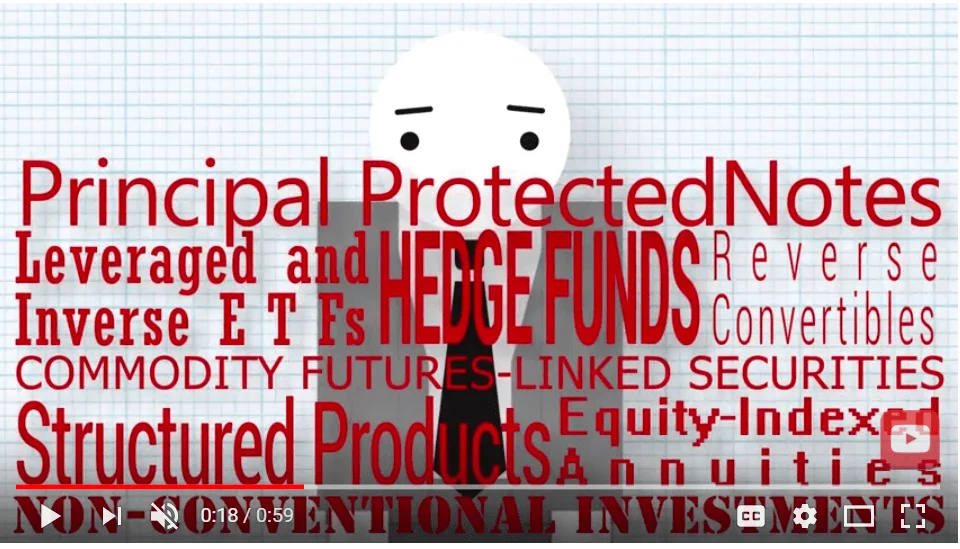
- The investor didn’t understand details (penalties and illiquidity) of complex, opaque investments like variable annuities and derivatives
The result is always the same. The broker and the brokerage firm earned huge commissions. The investor incurred huge losses.
Caveat: I don’t mean to suggest all brokers are bad people or all registered investment advisors are good. Many brokers genuinely want to do what’s best for their clients, but the system doesn’t permit them to do so.
Here’s how to tell “good” from “bad” investment advice:
Bad:
- Tries to “beat the market” using stock picking, market timing or selecting actively managed mutual funds
- Recommends complex, opaque investments
- Has conflicts of interest and resolves them against you
Good:
- Focuses on your asset allocation
- Doesn’t engage in stock picking, market timing or recommend actively managed mutual funds
- Uses only low management fee index funds, exchange-traded funds or passively managed funds in your portfolio
- Understands the “science of investing.”
- Agrees in writing to resolve all conflicts of interest in your favor
This isn’t an all-inclusive list, but it’s a good place to start your due diligence.
Resource of the Week
I recommend this brochure published by Dimensional Fund Advisors. It will open your eyes to an entirely different approach to responsible and intelligent investing, based on science.
Dan Solin's Investing Secrets on YouTube
25 quick tips on smart investing!
Watch the entire series on Dan's YouTube Channel
Not getting Dan's weekly newsletter? You can sign up right here.